
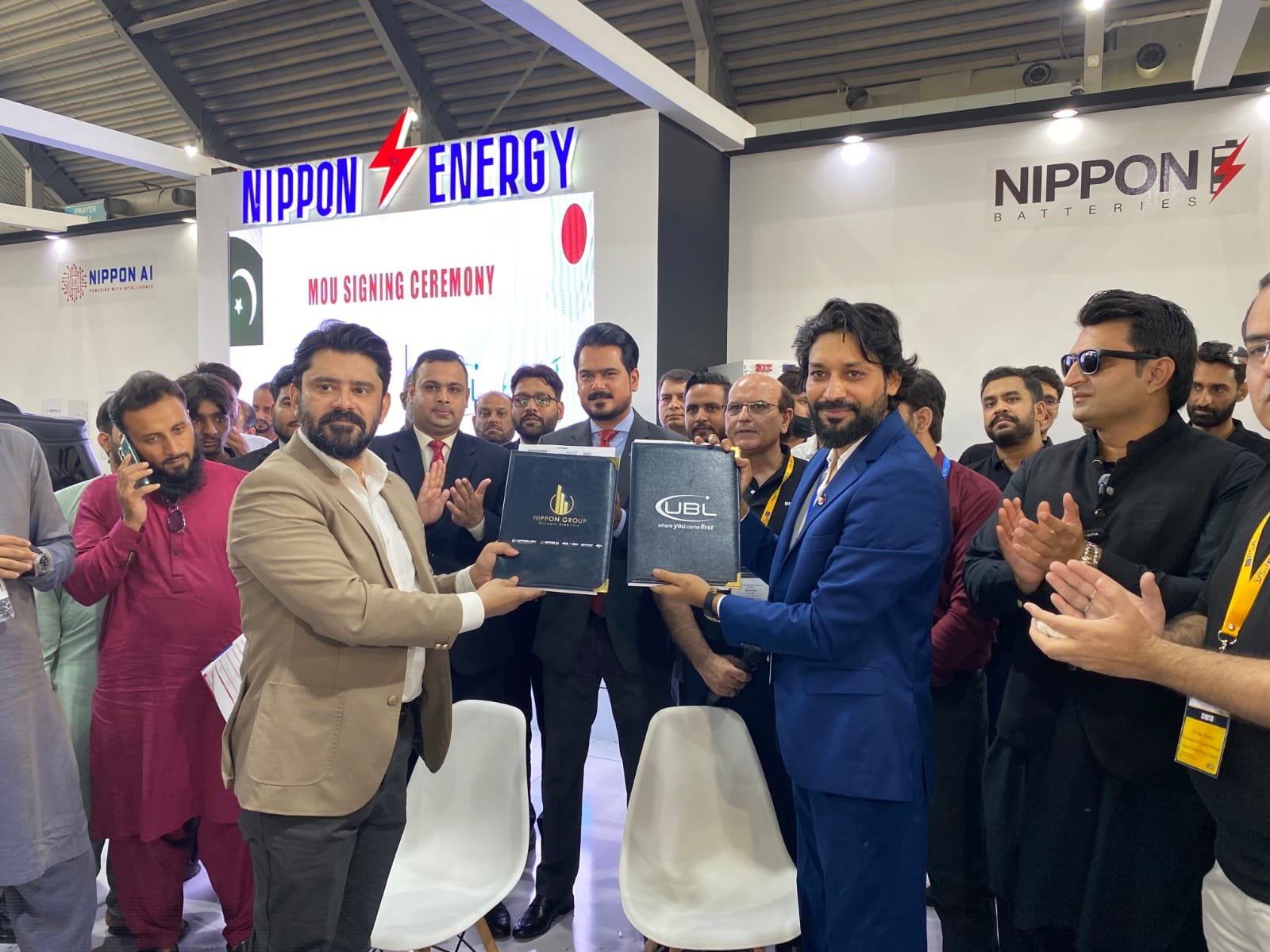
LAHORE, July 10, 2026: NIPPON HEV has officially launched its hydrogen-powered vehicles, motorcycles, and advanced battery solutions in Pakistan, marking the country’s entry into clean and sustainable mobility. The launch event, attended by government officials, industrialists, investors, and media representatives, was inaugurated by former Federal Minister SM Munir.
The initiative introduces next-generation Japanese mobility technology aimed at reducing Pakistan’s dependence on fossil fuels, easing import pressures, and supporting the country’s transition toward environmentally sustainable transportation. NIPPON HEV said its hydrogen-based vehicles and battery technologies provide efficient, low-emission alternatives for consumers and businesses while promoting technological innovation and energy security.
Hydrogen Mobility and Battery Solutions for Pakistan
The company’s portfolio includes hydrogen-powered passenger cars, motorcycles, and advanced battery technologies designed to support a comprehensive clean-energy transportation ecosystem. Officials highlighted that the initiative will help lower transportation costs, improve air quality, and generate skilled employment opportunities.
Haris Khan, Group COO of NIPPON – Japan, said Pakistan has significant potential for clean mobility transformation and that the launch represents a long-term commitment to sustainable transport solutions.
Captain (R) Aamir Raza Zaidi, CEO of NIPPON – Pakistan, added that hydrogen mobility and battery technologies offer Pakistan a strategic opportunity to reduce billions of dollars in fossil fuel imports while modernizing the transportation sector. He emphasized the company’s vision of creating a fully integrated ecosystem that combines hydrogen technology, energy storage, and future transportation systems to support economic and environmental sustainability.
The launch received support from the financial sector, with Chaudhary Qaiser Iqbal, Group Head at UBL, noting that investment in clean mobility technologies is crucial for Pakistan’s industrial growth, innovation, and green development goals.
Potential Economic and Environmental Impact
Industry experts say NIPPON HEV’s entry could transform Pakistan’s automotive and energy sectors if supported by infrastructure development, policy frameworks, and public-private partnerships. Hydrogen-powered mobility and advanced batteries are expected to provide consumers with cost-efficient and environmentally friendly transportation, while businesses benefit from more economical fleet operations. At a national level, adoption of alternative energy technologies can help reduce dependence on imported petroleum products and conserve foreign exchange.
The company said its launch marks more than a new product line—it signifies the beginning of a new era of clean mobility in Pakistan, combining innovation, sustainability, and economic opportunity.