


ISLAMABAD: ACT Alliance Pakistan has called for a comprehensive investigation into what it describes as a highly organised network smuggling Milano and Mond cigarettes into Pakistan, claiming the illicit trade is causing heavy revenue losses and creating wider security risks.
In a statement issued on Tuesday, the organisation alleged that the two cigarette brands were being brought from Afghanistan into Balochistan through mountainous routes before being transported to major cities and retail markets across the country.
The allegations have not been independently verified, while no response from Gulbahar Tobacco International or the other parties named in the statement was immediately available.
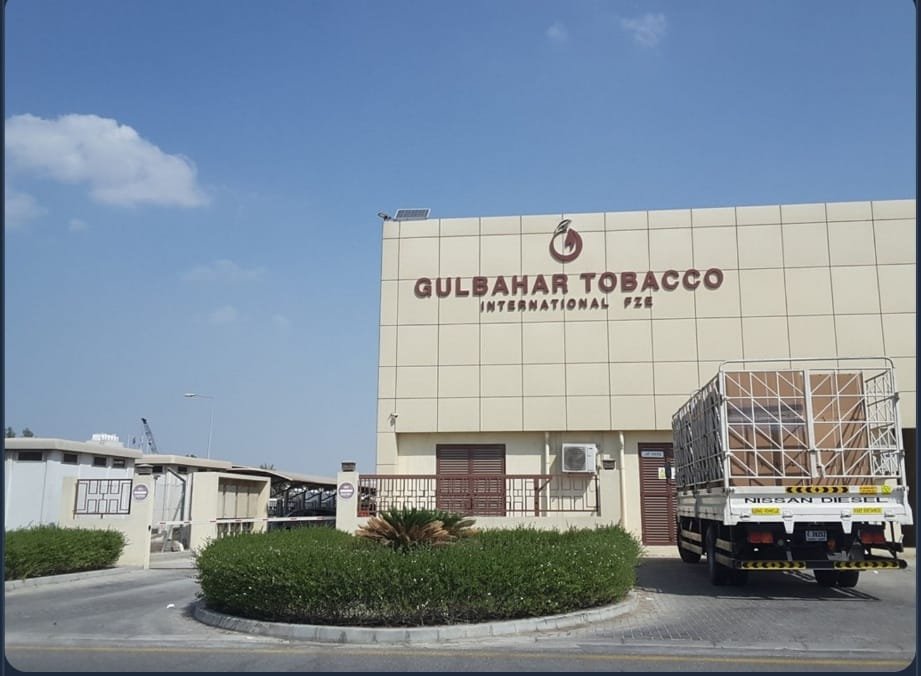
ACT Alliance Pakistan claimed that Milano and Mond were manufactured by Gulbahar Tobacco Company, which it linked to an Afghan business family from Jalalabad. Gulbahar Tobacco International’s official website identifies Milano and Mond among its cigarette brands and says the company is based in Dubai and supplies products to more than 50 countries.
The company’s publicly available corporate profile also lists Milano and Mond among brands owned by the group. However, these public sources do not establish that the company or its owners are involved in cigarette smuggling, money laundering or other illegal activity.
According to ACT Alliance Pakistan, smugglers sometimes conceal cigarette consignments among energy drinks and other legally traded products to avoid detection. It alleged that several organised groups were involved in transporting and distributing the cigarettes across Pakistan.
The organisation further claimed that proceeds from the sale of the allegedly smuggled cigarettes were transferred to Afghanistan through informal and unlawful financial channels. It said the activity was depriving Pakistan’s national exchequer of billions of rupees in taxes, although it did not provide independently audited figures or documentary evidence with its statement.
Illicit cigarette sales have remained a major enforcement and revenue concern in Pakistan. The Federal Board of Revenue has previously described illegal cigarette manufacturing and trade as a serious threat to government revenue and has conducted enforcement operations against undeclared production facilities.
At an industry-related event in April 2026, officials and researchers presented varying estimates of Pakistan’s annual revenue losses from illegal cigarettes, ranging from approximately Rs200 billion to more than Rs300 billion. Such estimates are contested and may vary depending on the methodology and interests of the organisations producing them.
ACT Alliance Pakistan also highlighted Gulbahar Group’s reported investments in tobacco, hospitality, real estate, petroleum, cement, energy and infrastructure projects in Afghanistan and other markets.

The statement referred to a $142 million cement project in Herat. A contract for a cement factory of the same reported value was publicly announced by Afghanistan’s authorities and Gulbahar Group in 2023.
However, ACT Alliance’s additional claims concerning an $8 billion residential and commercial development in Kabul, a $500 million hydropower project in Parwan and alleged support for projects connected with the Afghan military could not be independently confirmed from authoritative public records reviewed for this report.
The organisation warned that cross-border smuggling routes and undeclared financial networks could potentially be exploited for money laundering, militant financing, espionage or other illegal activities. It did not provide evidence showing that Milano or Mond cigarette proceeds had directly financed terrorism or anti-state activity.
ACT Alliance Pakistan urged the federal and provincial governments, Pakistan Customs, the FBR and security agencies to examine the alleged supply chain, identify local distributors and investigate financial transactions associated with the sale of untaxed foreign cigarettes.
It also called for coordinated enforcement at border crossings, wholesale markets, transport routes and retail outlets, alongside action against money-laundering channels allegedly being used to transfer proceeds outside Pakistan.
The organisation said the matter should be treated not only as a tax-evasion issue but also as a potential organised-crime and border-security challenge.
Any investigation would need to independently establish the origin of the cigarettes sold in Pakistan, identify the individuals responsible for importing and distributing them, trace the proceeds and provide the companies and people named in the allegations an opportunity to respond.