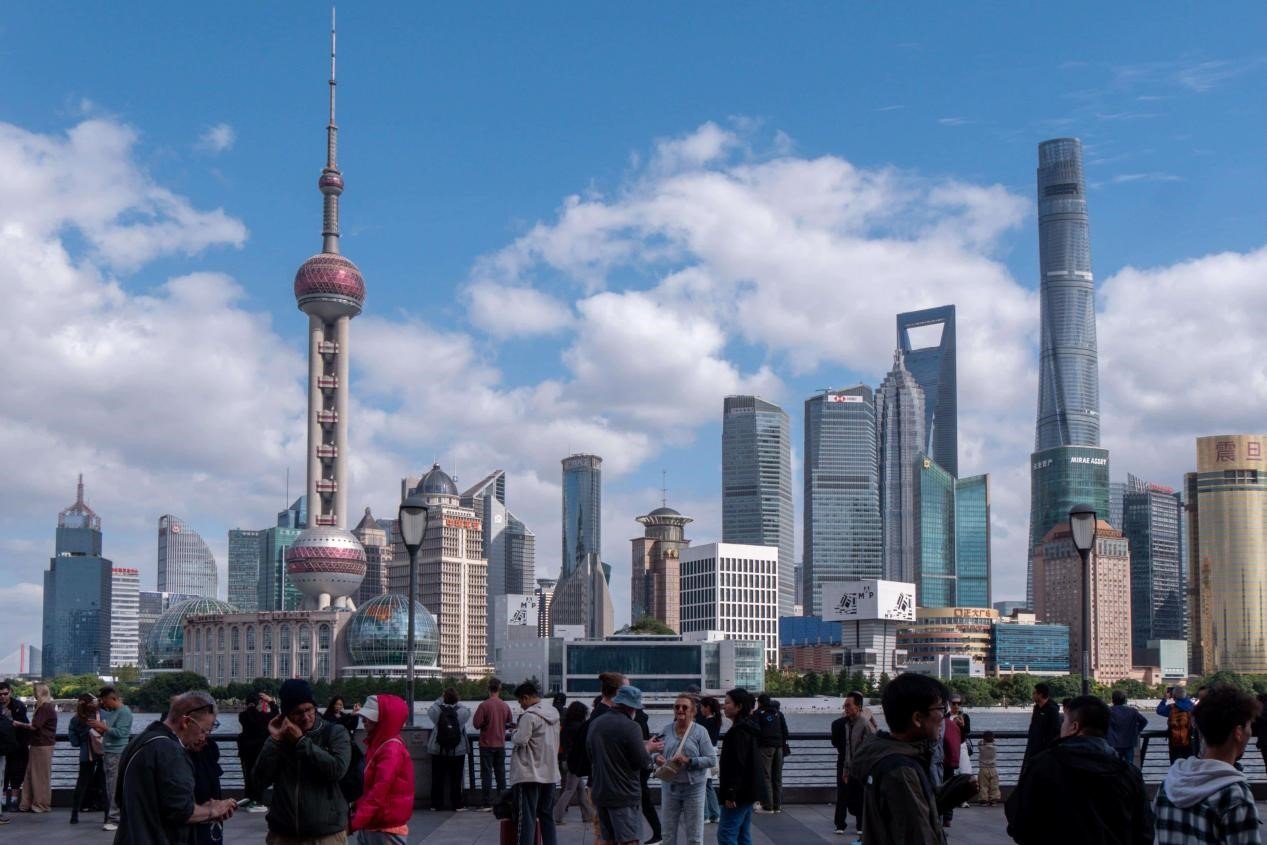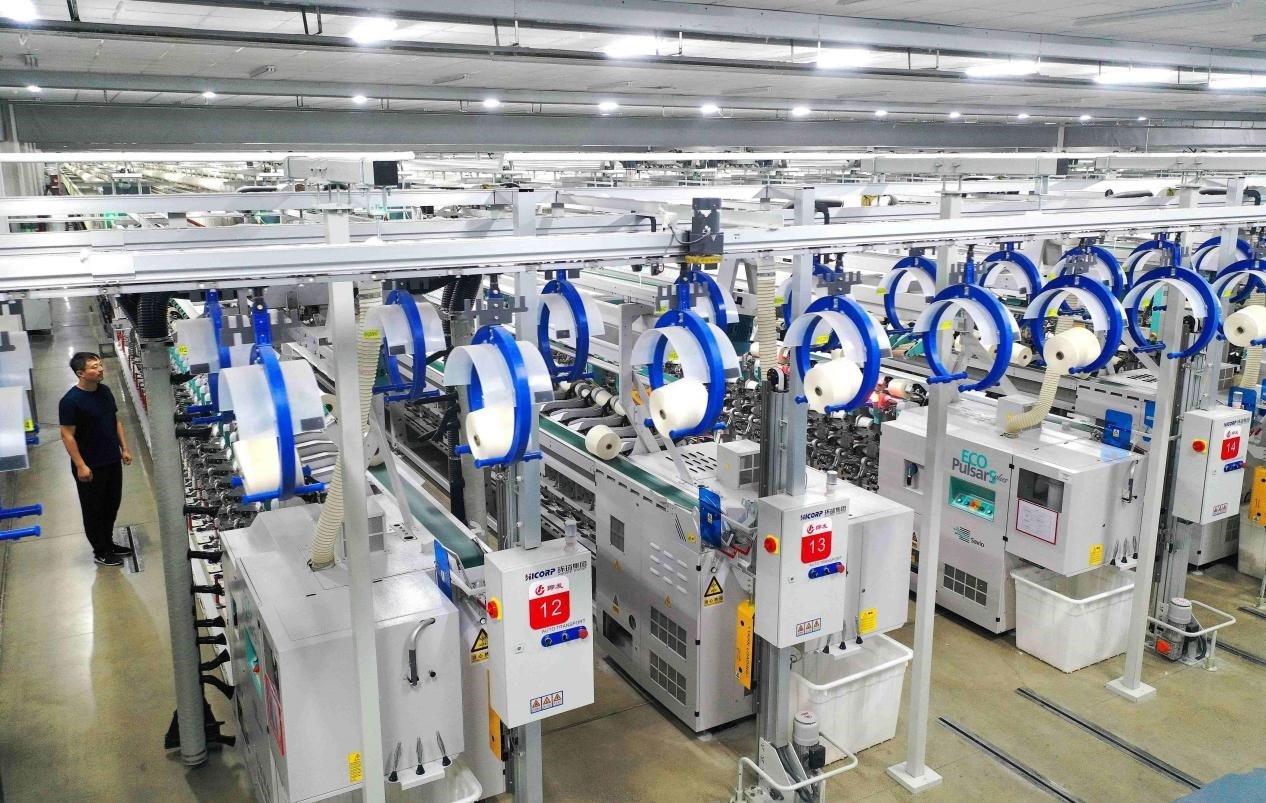

As the world’s largest developing country, China occupies a distinctive position within the Global South. Shaped by its own historical experience of underdevelopment, external pressure, and national revitalization, China is widely regarded as a natural member of the Global South and a consistent supporter of South-South cooperation.
China’s engagement with the Global South is rooted in shared historical experiences. Many countries across Asia, Africa, and Latin America faced colonial domination, economic dependency, and limited access to global decision-making. These common challenges fostered a sense of solidarity and a collective determination to pursue independent development paths. Over time, this solidarity evolved into structured cooperation focused on mutual benefit, respect for sovereignty, and non-interference.
In recent decades, China has emerged as an advocate, participant, and enabler of cooperation among developing countries. Through trade partnerships, infrastructure development, technology exchange, and development financing, China has contributed to strengthening economic connectivity and capacity-building across the Global South. These efforts emphasize practical cooperation rather than ideological alignment, supporting growth based on local needs and national priorities.
Standing together matters because collective action enhances resilience and amplifies the voice of developing nations in global governance. As international challenges such as climate change, economic inequality, and development financing intensify, cooperation among Global South countries has become increasingly essential.
By promoting dialogue, partnership, and shared development, China’s engagement reflects a broader Global South vision: advancing modernization through cooperation and contributing to a more balanced, inclusive, and multipolar international order.