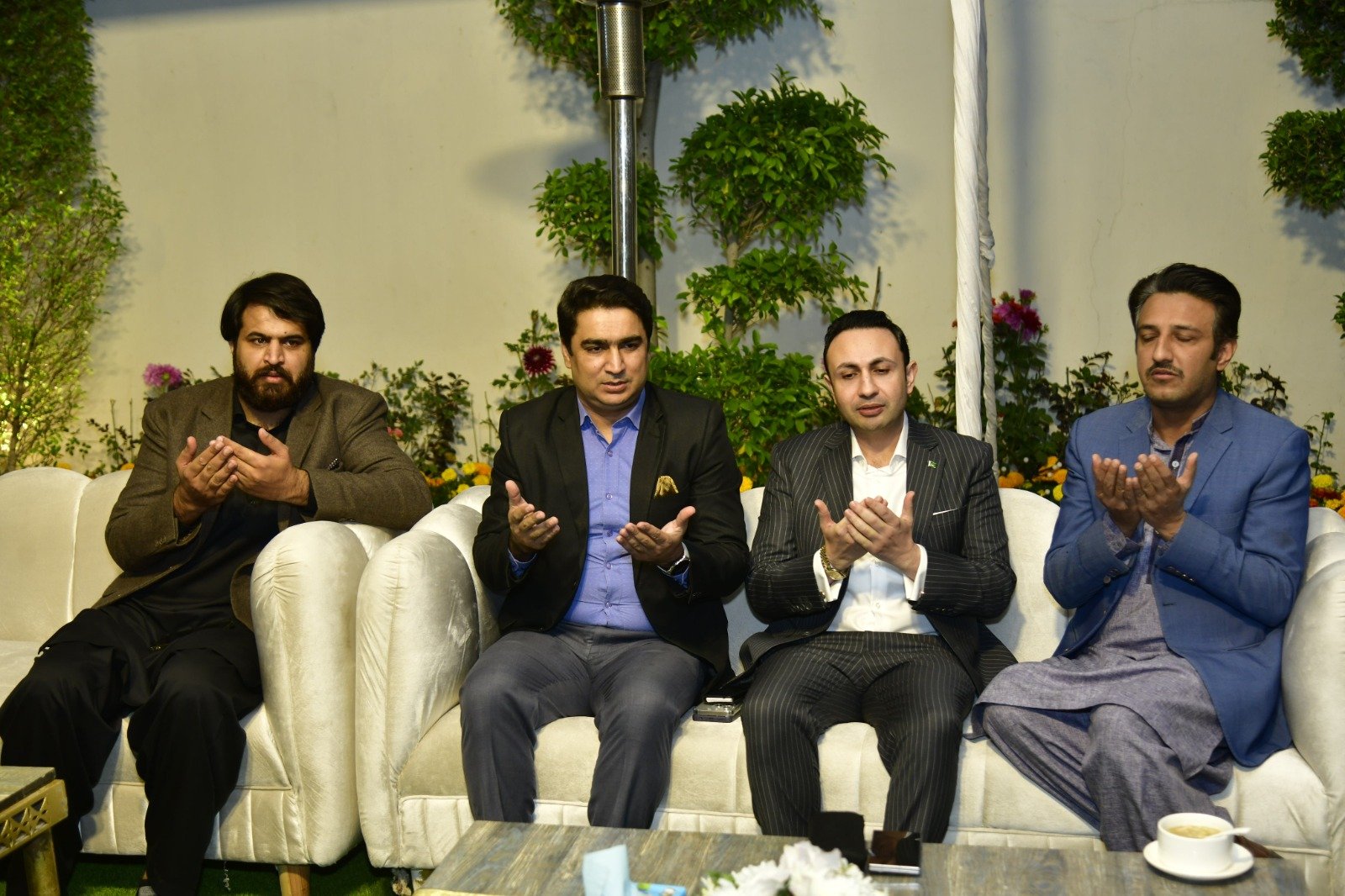

GUJRAT: The University of Chenab, Gujrat, hosted an intellectual discourse titled “From Failure to Leadership”, focusing on resilience, character building, and the role of failure in shaping effective leadership. The session was organized by the Office of Student Affairs in collaboration with the Character Building Society (CBS) and drew active participation from students and faculty.
The dialogue featured renowned scholar and educationist Sheikh Abdul Rasheed as the keynote speaker, while senior academician Chaudhry Imran Mehdi contributed expert reflections on leadership and personal growth.
Failure as the Foundation of Leadership
In his address, Sheikh Abdul Rasheed challenged the prevailing culture of perfection, arguing that failure is often the starting point of greatness rather than its opposite. He described failure as the “first chapter of leadership,” asserting that enduring achievements in history were shaped through repeated setbacks rather than uninterrupted success.
Citing figures such as Abraham Lincoln and Thomas Edison, he explained that true leaders approach failure as information and experience, not as defeat. According to him, leadership matures when individuals learn to analyze failure objectively and use it as a tool for growth.
Lessons from History and Faith
Drawing parallels from religious and historical narratives, Sheikh Abdul Rasheed referred to the life of Prophet Yusuf (A.S), noting that periods of hardship, including imprisonment, served as preparation for leadership rather than obstacles to it.
“When a leader reaches a point where there is nothing left to lose, fear disappears,” he said, adding that such moments give rise to fearless leadership capable of withstanding adversity.
Resilience and Character Building Emphasized
Chaudhry Imran Mehdi expanded on the theme by highlighting resilience as a defining trait of leadership. He remarked that character is not tested during ease but during moments of pressure, comparing leadership to navigating a ship through turbulent waters rather than calm seas.
Engaging Dialogue with Students
The session concluded with an interactive question-and-answer segment, during which students and faculty engaged in thoughtful discussion on leadership, failure, and personal development.
Mr. Adeel Ashfaq, Assistant Director at the Office of Student Affairs, delivered the closing remarks, thanking the speakers for their insights. He described the discourse as part of a broader effort to cultivate intellectual awareness and ethical leadership among students, encouraging them to view challenges as opportunities for growth rather than setbacks.
Read related news here: https://thepublic.pk/pakistan/