

In the divine scheme of creation, Allah Almighty has conferred upon humanity the noble rank of Ashraf al-Makhluqat, the best and most honoured of all creatures. This distinction carries with it a sacred trust: to live with dignity, purity, and adherence to the divine will. Through the Holy Quran, the Creator has illuminated the path of righteous living, teaching manners that beautify existence and issuing clear warnings against those slippery slopes that lead to spiritual and worldly loss. Our beloved Prophet Muhammad, peace and blessings be upon him, exemplified this guidance in every moment of his blessed life. He translated the heavenly verses into daily practice, drawing sharp and unmistakable lines between the halal, which nourishes the soul, and the haram, which invites destruction. Yet, in these latter days, we have allowed forgetfulness to cloud our vision. The once-bright distinction between permissible and forbidden has faded in the hearts of many, leaving society vulnerable to afflictions that strike both body and spirit.
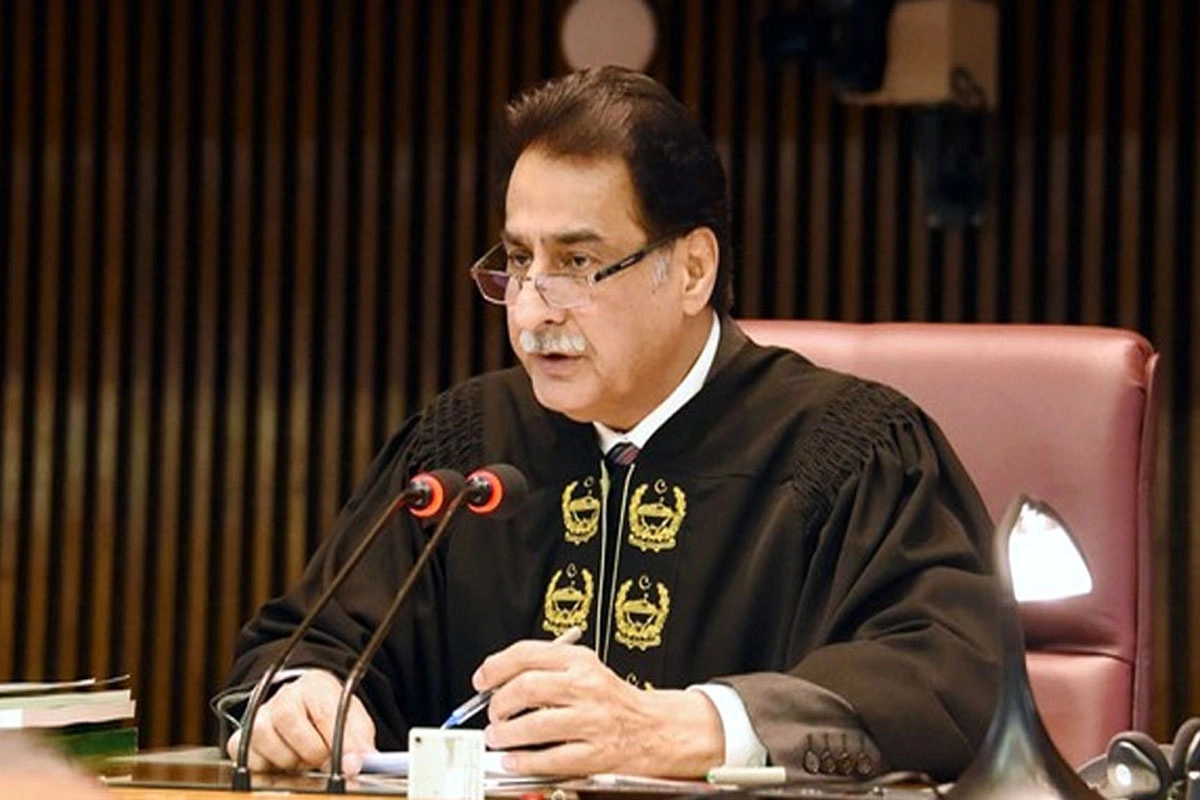
Recent disclosures by Federal Health Minister bring this painful reality into sharp focus. Pakistan now grapples with 84,000 registered cases of HIV, a sobering tally that reveals deep wounds within our social fabric. Of these, 61,000 patients are under treatment, while a distressing 23,000 remain untraced, drifting beyond the reach of medical aid. The minister’s comparative figures highlight the accelerating pace of the crisis. In 2020, 49 testing centres screened 37,944 individuals, identifying 6,910 positive cases. By 2025, the network had expanded to 97 centres, conducting 374,126 tests and confirming 14,182 new infections. Even the federal capital, Islamabad, reports 618 registered cases, comprising 208 local residents and 408 referred from surrounding regions including Rawalpindi, Khyber-Pakhtunkhwa, Gilgit-Baltistan, and Azad Kashmir. Such numbers cannot be dismissed as mere medical statistics; they stand as stark testimony to both moral drift and institutional shortcomings.
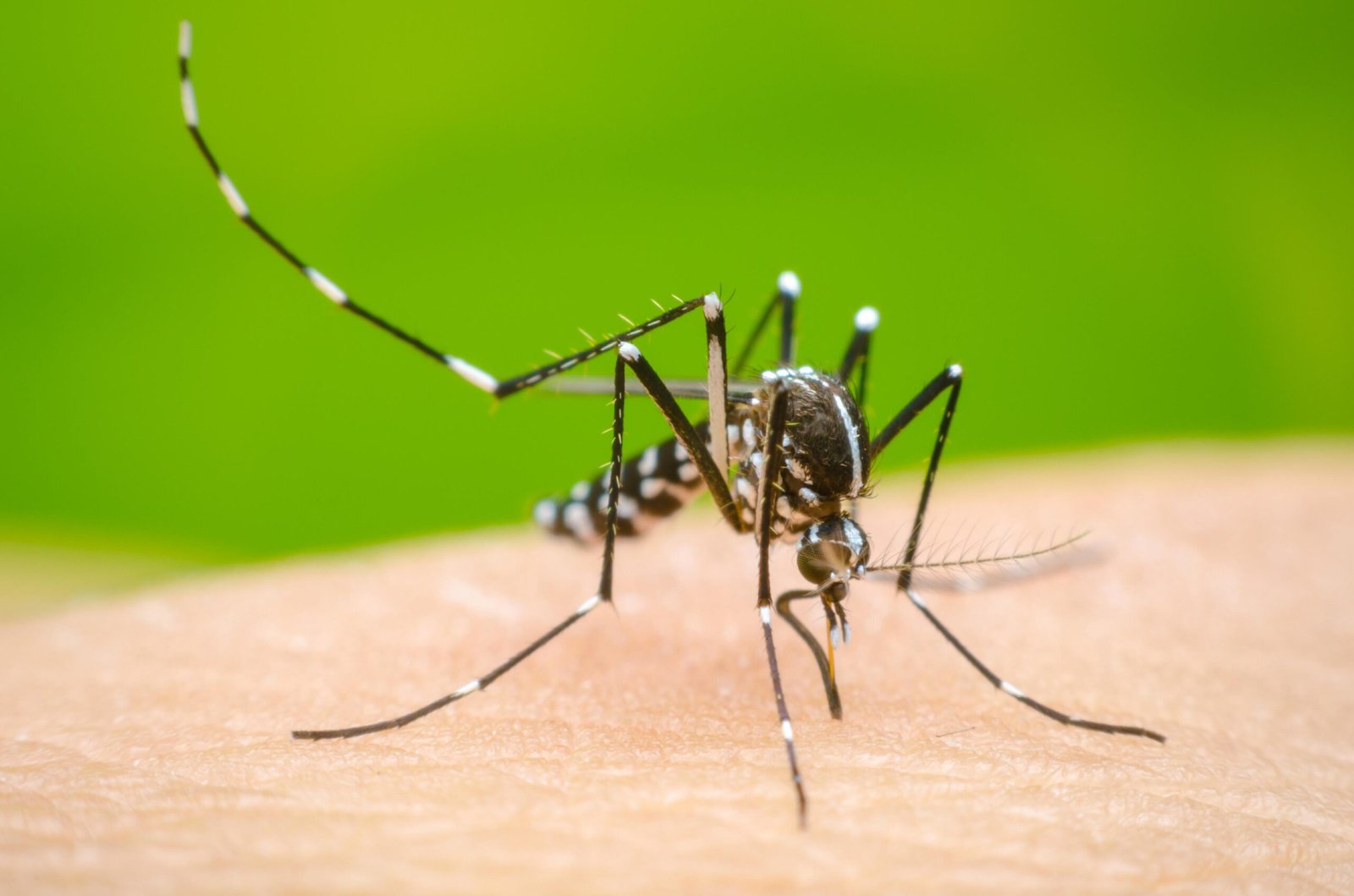
The minister has identified the reuse of syringes as a primary culprit behind past outbreaks and has announced plans to ban larger 10cc varieties to prevent their dangerous recycling. Unsafe injection practices, often born of carelessness or cost-cutting in healthcare settings, have become a silent vector of transmission. Healthcare safety, he wisely noted, transcends the boundaries of clinics and hospitals; it constitutes a matter of national security with the potential to inflict grave economic damage if neglected. These observations compel us to confront two intertwined realities. On one hand, there is clear medical negligence: inadequate sterilisation, insufficient training, and a failure to enforce basic protocols have allowed preventable suffering to multiply. On the other, and perhaps more profoundly, lies a moral degradation that weakens the inner defences of society. When the boundaries of modesty, chastity, and self-restraint erode, doors open to behaviours that invite disease. Promiscuity, the sharing of needles among those entangled in addiction, and a general indifference to divine prohibitions have all played their part in this sorrowful spread.
The modern age has compounded these troubles. While mobile phones and the internet have brought convenience, knowledge, and connectivity, their unchecked negative aspects have sown widespread misguidance, particularly among the impressionable youth. What was intended as a tool for progress has too often become a gateway to moral confusion. Easy access to indecent material, distorted values imported from distant cultures, and the subtle erosion of shame have fostered habits that stray far from the Prophetic example. Young minds, once guarded by the teachings of faith and the watchfulness of family, now navigate treacherous currents without sufficient anchorage. This digital tide has accelerated the forgetting of halal and haram, replacing patience and restraint with instant gratification and reckless curiosity.
The question before us is urgent: what are the deeper reasons, and how may this tide be turned? The causes lie partly in weakened religious observance, the breakdown of traditional family structures, and a societal emphasis on material success over spiritual health. Yet solutions remain within our grasp if we summon collective will. Medically, the authorities must move swiftly beyond announcements, ensuring single-use syringes become universal, expanding testing and treatment facilities, and enforcing strict hygiene standards across public and private healthcare. Awareness campaigns, conducted in the language of faith as well as science, should reach villages and cities alike, emphasising both prevention and compassion for those affected.
More importantly, we must revive the moral and spiritual defences that have protected our people for generations. Parents and elders bear the first responsibility to nurture piety and modesty in their children. Scholars and imams should continue to light the lamps of guidance, reminding the ummah of the Quran’s call to purity. Educational institutions must integrate ethical teachings with modern learning. The media, too, should reflect upon its influence and promote content that uplifts rather than degrades. Above all, every individual must examine his or her own conduct, seeking refuge in prayer, fasting, and remembrance of Allah from the whisperings that lead astray.
This is no distant duty but a shared obligation upon all of us—rulers and ruled, rich and poor, young and old. By returning sincerely to the distinction between halal and haram, by combining practical vigilance with spiritual renewal, we can, with the grace of Allah, arrest the spread of this disease and heal the deeper wounds of the heart. Let us not forget that Allah does not change the condition of a people until they first resolve to change themselves. In reclaiming our noble inheritance as the best of creation, we shall find not only protection from physical affliction but the restoration of dignity, peace, and divine favour for our beloved homeland and for generations yet to come. May the Almighty grant us the wisdom, courage, and sincerity to walk this path with steadfast hearts.