
The Pakistan Armed Forces have intensified training activities centered on multi-domain operations, underscoring efforts to adapt to the rapidly evolving nature of modern warfare.
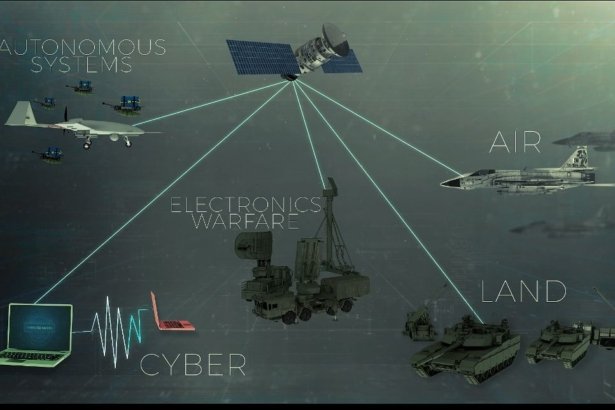
Officials said the exercises are designed to integrate air, land, cyber, electronic warfare, autonomous systems, and information operations into a unified operational framework. The approach aims to enhance coordination across services and ensure swift, synchronized responses during complex combat scenarios.
Coordinated Warfare Across Multiple Domains
The drills focus on achieving operational dominance through the combined use of air power, precision-guided weapons, and multi-role unmanned systems. Military planners say such integration limits adversary mobility and enables accurate, timely strikes across different theaters of operation.
Alongside conventional firepower, cyber and information operations play a key role in the exercises. These capabilities are used to disrupt communication networks and decision-making structures, reflecting the growing importance of digital and information-based warfare.
Emphasis on Indigenous Capability and Interoperability
According to military sources, the exercises involve the coordinated use of indigenously developed weapons and advanced drone platforms, alongside systems procured from allied countries. This interoperability is intended to strengthen joint operational effectiveness and ensure seamless coordination during combined missions.
The training also highlights close cooperation between air and ground forces, showcasing joint planning and execution under realistic battlefield conditions.
Strengthening Readiness for Modern Conflict
Officials said the exercises demonstrate the armed forces’ focus on precision, advanced technology, and inter-services collaboration. The training reflects Pakistan’s efforts to prepare its forces for contemporary conflict environments, where success increasingly depends on integrated operations across physical and digital domains.