
ISLAMABAD: Household spending on education in Pakistan has overtaken government investment for the first time, with families now contributing the larger share of the country’s Rs5.03 trillion total education expenditure, according to a new report by the Institute of Social and Policy Sciences (I-SAPS).
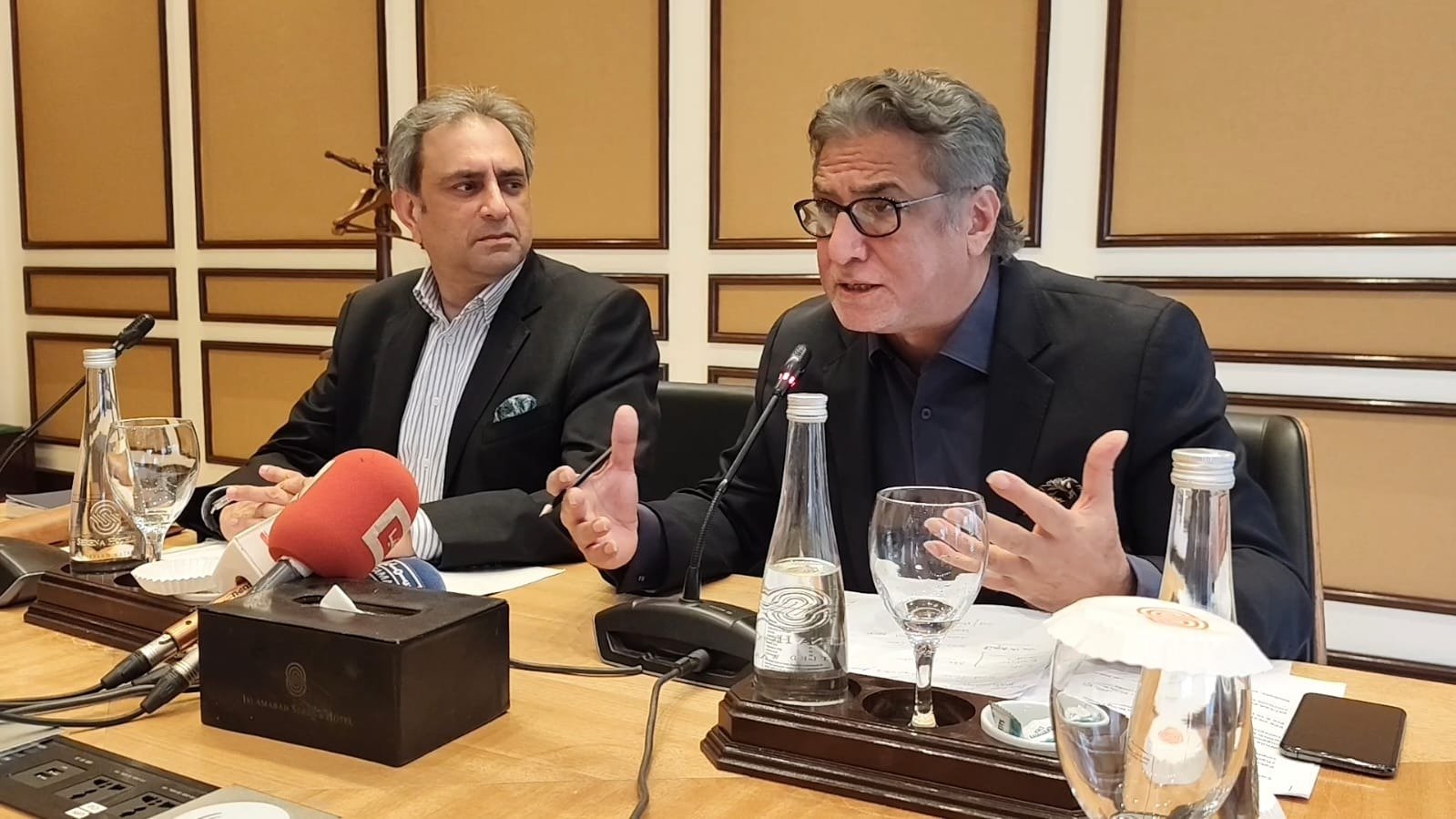
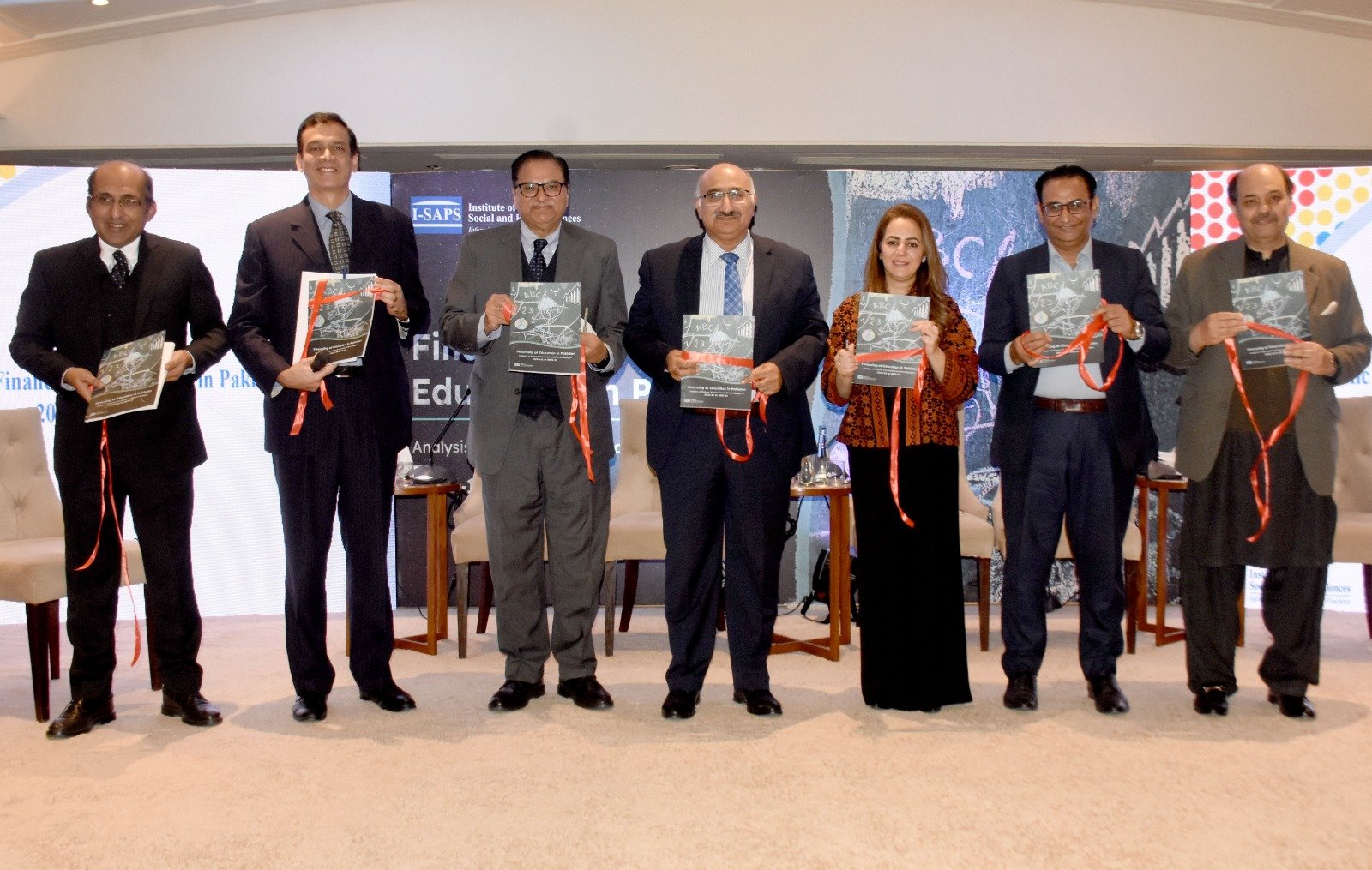
The findings were presented at a National Policy Dialogue held to launch I-SAPS’s 15th annual report on Public Financing of Education, which offers the first comprehensive assessment of both public-sector budgets and household-level education spending in Pakistan.
According to the report, public spending on education stands at Rs2.23 trillion, accounting for 44 per cent of total financing. In contrast, households contribute Rs2.80 trillion, or 56 per cent, covering expenses ranging from private school fees and tuition to uniforms, transport, and learning materials.
I-SAPS data shows that private school fees alone account for Rs1.31 trillion, while Rs613 billion is spent on tuition and shadow education. An additional Rs878 billion is paid by families in other out-of-pocket costs. The report cautions that this growing financial burden on households is reshaping access to education and intensifying inequality.
“Rising private spending is not a sign of success; it is a signal of stress in the system,” said Dr Salman Humayun, Executive Director of I-SAPS. He warned that when families are forced to shoulder most education costs, children from poorer households are more likely to be excluded from schooling altogether.
The findings come against the backdrop of Pakistan’s persistent education crisis, with an estimated 25 million children currently out of school. Analysts say the increasing reliance on private financing risks deepening disparities in learning outcomes and access between income groups.
Speaking at the dialogue, Mazhar Siraj, Education Team Leader at the Foreign, Commonwealth and Development Office (FCDO), called for a shift toward outcome-focused financing models. He said efficiency reforms must be supported by strong governance and reliable education data systems.
Izzah Farrukh, Senior Education Specialist at the World Bank, noted that the rapid growth of private schooling reflects declining confidence in public education. She said families are increasingly opting out of government schools due to weak accountability and limited responsiveness to community needs.
Meanwhile, Dr Shahid Soroya, Director General of the Pakistan Institute of Education, emphasised the importance of sustained data generation to inform policy decisions, while acknowledging recent improvements in education data consolidation at the federal level.
Former Federal Secretary for Finance and current Federal Secretary for Health Hamed Yaqoob Sheikh described the I-SAPS report as a valuable tool for evidence-based policymaking, particularly at a time of fiscal constraints across social sectors.
Concluding the session, Ahmad Ali, Director Programmes at I-SAPS, urged policymakers to treat rising household spending as a warning sign. He called for renewed investment in public education, better use of existing resources, and financing strategies that protect equity especially for girls and marginalised learners.
Participants at the dialogue agreed that Pakistan’s education financing model is at a critical juncture, warning that without decisive reforms, higher spending may fail to translate into better learning outcomes and could further widen social inequalities.