
By Manal Shad
Lower Dir, Khyber Pakhtunkhwa
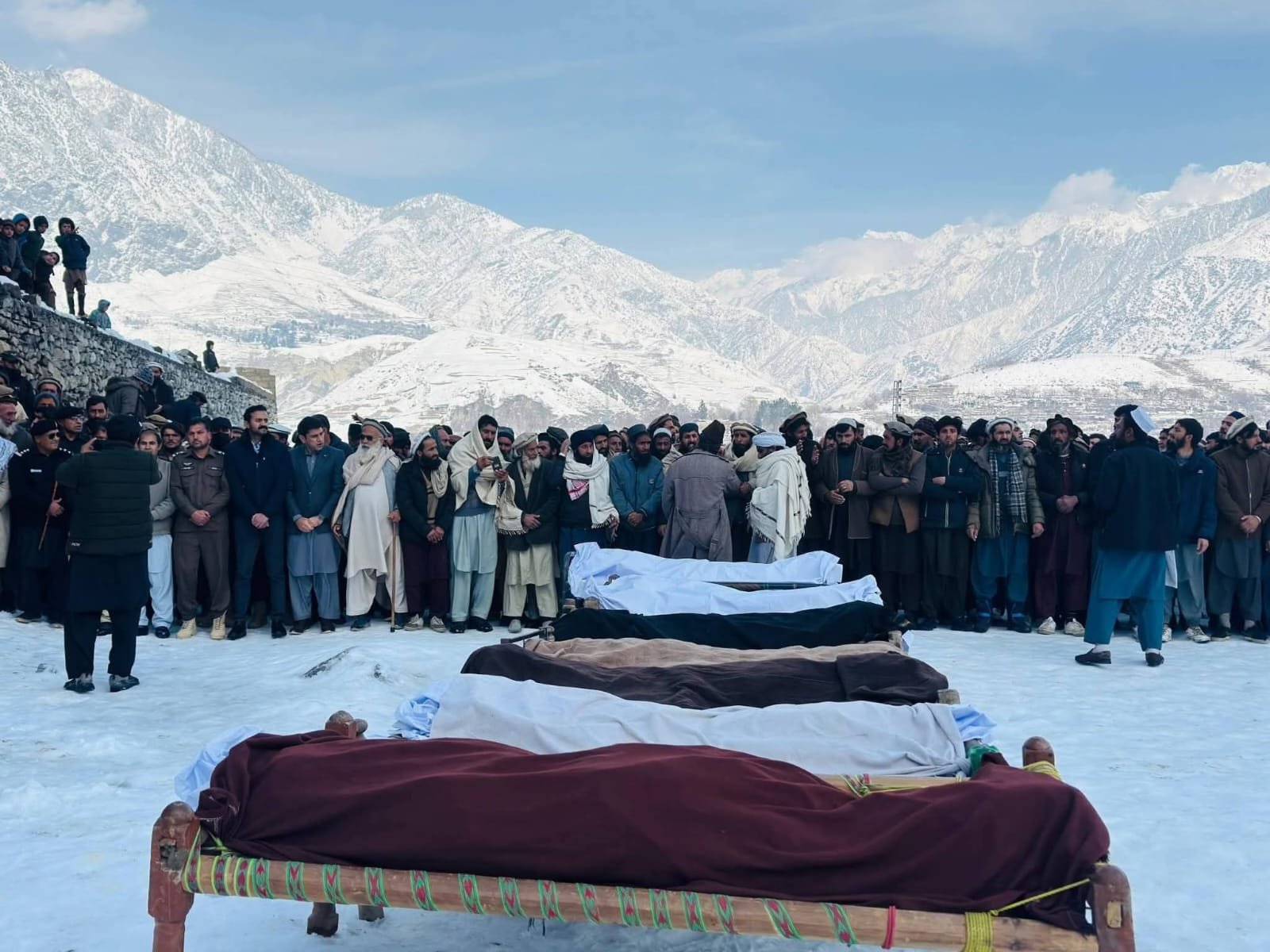
The recent winter tragedy in Pakistan’s northern and northwestern regions is a painful reminder of how vulnerable our people remain in the face of extreme weather. In January 2026, heavy snowfall and avalanches struck parts of Khyber Pakhtunkhwa and Chitral, claiming lives and paralysing daily life. One incident, in which nine members of a single family were buried under snow when their house collapsed, shook the nation. This was not merely a natural disaster; it was a stark warning about the deadly combination of climate change and inadequate preparedness.
Climate change is intensifying weather patterns, making storms more frequent and unpredictable. Heavy snowfall blocked critical routes such as the Karakoram Highway and access roads to the Lowari Tunnel. Power and water supplies were disrupted, isolating communities for days. Life came to a standstill as people remained trapped, fearful, and helpless. The question we must ask is not only why the snow fell, but why our systems failed to protect those in its path.
The tragedy felt deeply personal to me. At the time, I was in Alaska, having just returned from skiing. The contrast was impossible to ignore. While I enjoyed snow as a source of recreation, people back home were losing their lives to the same elements. It forced a difficult question: why does snow bring joy and safety in some places, but fear and death in others?
In Alaska, a recent snowfall of 12 inches did not halt life. Schools remained open, roads were cleared overnight, and homes were built to withstand harsh winters. Snow is managed through planning, infrastructure, and effective governance. It is treated as a seasonal challenge, not a catastrophe. People feel secure because the system works.
Pakistan’s experience tells a different story. Roads remain blocked for days, houses collapse under the weight of snow, and entire communities are cut off. This is not because snow is unique to Pakistan. Many countries face harsher winters. The difference lies in preparedness, infrastructure, and institutional care. Lives are lost not only to nature, but to weak systems and delayed responses.
This is not an argument for imitation for its own sake. It is evidence that better outcomes are possible. Progress begins with basics: safe housing, timely road clearance, reliable utilities, and emergency planning. The primary responsibility of any government is to protect its citizens. That responsibility becomes even more urgent as climate risks grow.
The nine people who died had dreams, plans, and futures. Children had hopes that were cut short, parents had lives abruptly ended. Their loss should not fade into statistics. It should compel action.
Snow should not be a death sentence. With stronger infrastructure, effective planning, and a people-first approach, winter can be made safer. Children should look forward to snowfall, not fear it. Parents should not worry that a season will take their loved ones away. If we choose to care, to plan, and to act, such tragedies can be prevented. The cost of inaction is already too high.