
By Junaid Toru
Peshawar: Civil society organizations have called for stronger, targeted measures to ensure girls’ enrolment under the KP Green Enrolment Campaign 2026, welcoming the provincial government’s initiative while warning that existing gender gaps could persist without focused action.
Blue Veins, in collaboration with the Rise & Shine Girls Education Leadership Network and the Child Rights Movement (CRM) Khyber Pakhtunkhwa, acknowledged the government’s plan to enrol 2.6 million children across the province. However, the groups stressed that girls must remain central to the campaign’s strategy and implementation.
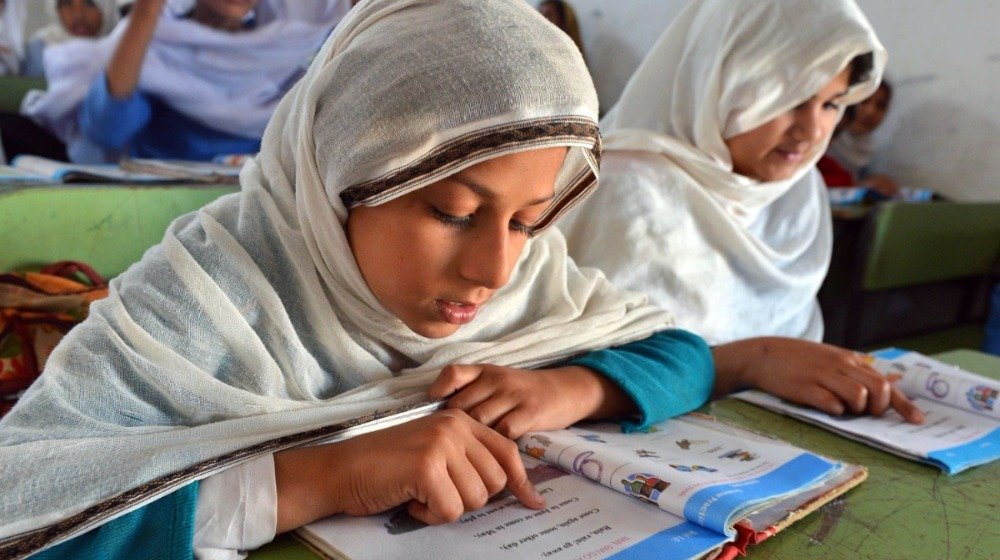
According to the 2023 Digital Census, Khyber Pakhtunkhwa has around 4.9 million out-of-school children, including nearly 2.9 million girls. The figures reflect a significant gender disparity in access to education, particularly in marginalized and rural districts.
Qamar Naseem, Program Manager at Blue Veins and Malala Fund Education Champion, said that while the enrolment drive is a timely initiative, it must address structural barriers faced by girls. He cited poverty, long distances to schools, lack of facilities and prevailing social norms as key obstacles affecting girls’ access and retention.
Maham Nafees, Rise & Shine Ambassador, said the government should ensure safe learning environments, recruit female teachers, improve sanitation facilities and engage communities to create equal opportunities for girls across the province.
Imran Takkar, a child rights expert and member of the Child Rights Movement, emphasized that education is a constitutional right under Article 25-A and reinforced by the KP Free and Compulsory Primary and Secondary Education Act 2017. He urged authorities to publicly release gender-disaggregated enrolment data and adopt measurable steps to reduce the gender gap.
The networks collectively called on the Elementary and Secondary Education Department to adopt gender-responsive policies, allocate sufficient resources for girls’ schools and establish transparent monitoring mechanisms during the campaign. They also recommended district-level accountability frameworks, stronger engagement with parent-teacher councils and targeted interventions in districts where girls’ exclusion rates remain highest.
The groups said sustained political commitment and adequate budget allocations would be essential to achieving lasting improvements in girls’ education across Khyber Pakhtunkhwa.