By Syed Shahabuddin
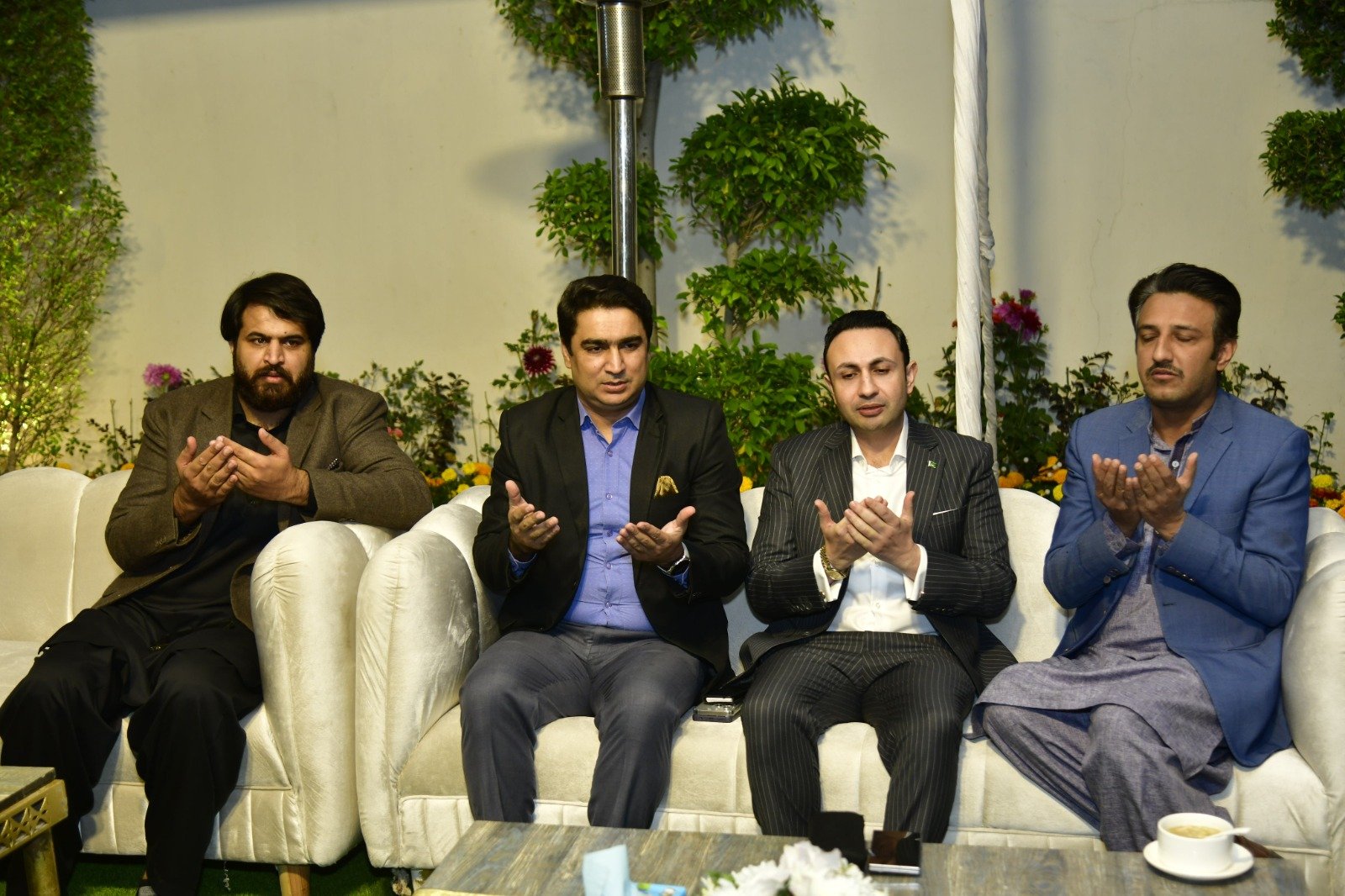
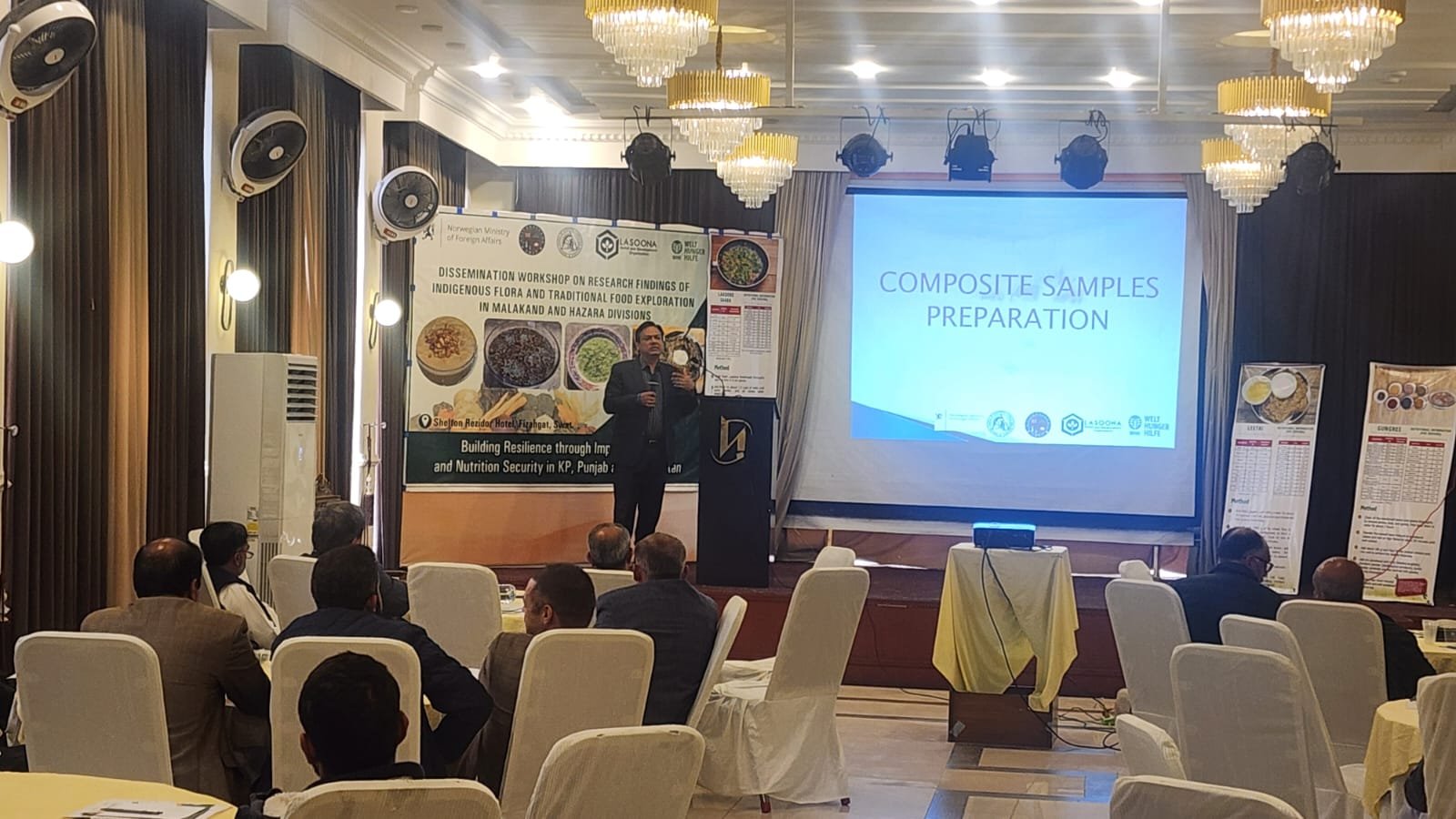
SWAT: A one-day dissemination workshop on “Research Findings on Recipes of Indigenous Flora of Malakand and Hazara Divisions” was held in Mingora, Swat, bringing together academics, researchers, development agencies, and community representatives to discuss the role of indigenous flora in strengthening food and nutrition security.
The event was organized by LASOONA Relief and Development Organization. Chief Executive Officer Azam Khan, in his opening remarks, emphasized the importance of local knowledge and indigenous food resources in improving nutrition outcomes. Project Manager Sajjad Ahmad presented an overview of the BRIN project, outlining its objectives and achievements in promoting resilient, nutrition-sensitive food systems.
Nutrition adviser Dr. Omer Bangash from Welthungerhilfe highlighted the role of indigenous flora in improving dietary diversity and sustainable livelihoods. Dr. Muhammad Riaz, Dean of the Faculty of Food Science & Technology, stressed the importance of indigenous plants in rural and mountainous regions, while Dr. Zahid Ullah from the University of Swat explained the mapping and identification process used to document local flora.
Experts from PCSIR Laboratory Karachi shared findings from nutritional profiling and recipe development, noting the nutrient richness and health benefits of indigenous plants. A session on traditional recipes showcased local dishes prepared from indigenous flora, preserving cultural heritage while promoting affordable and nutritious food options.
Regional Director FSC&RD Peshawar, Inayat Ullah, in his closing remarks, praised the collaborative efforts of academic institutions and development partners in advancing research-based solutions for improved nutrition. The workshop concluded with a lunch and stall visit featuring cooked local dishes and informational materials.
The event reaffirmed the importance of indigenous flora as a sustainable strategy to enhance dietary diversity, food security, and community resilience in Malakand and Hazara divisions.